Sex, Relationship and Intercultural Therapy Approach

My approach to therapy is integrative, which in practice means I don't apply a single method to everyone. I draw on a range of evidence-based frameworks and adapt them to the specific person, situation, and cultural context in front of me.
What stays consistent is the underlying orientation: I work with both insight and experience. Understanding why something is happening is useful, but it's rarely sufficient on its own. The practices and exercises I use between sessions — somatic, mindfulness-based, relational — are how change becomes embodied rather than just intellectual.
My clinical training is one part of the picture. The other is decades-long practice in tai chi, bagua, qigong, meditation, and breathwork — disciplines that have fundamentally shaped how I think about the relationship between body, emotion, and healing. This isn't incidental to my therapy work. It informs the somatic dimension of almost everything I do.
I customize my therapy sessions to fulfill your unique needs and background, so not all sessions will look the same for everyone.
Modalities
Nonviolent Communication (NVC) A framework for expressing needs and responding to others without blame or defensiveness. Particularly useful in couples work where conversations about sex or conflict have become charged or circular.
Emotion-Focused Therapy (EFT) Developed by Sue Johnson, EFT works with the attachment dynamics underlying relationship conflict — the pursuer-withdrawer cycles, the moments of disconnection that leave both people feeling alone even when they're together. The goal is to understand and shift these patterns at the level of emotional experience, not just behavior.
Gottman Method A research-based approach to relationship therapy that focuses on friendship, conflict management, and shared meaning. Practically, this means working with communication patterns, contempt and criticism cycles, and what makes repair possible after rupture.
Mindfulness-Based Cognitive Behavioral Therapy (MB-CBT) Integrates mindfulness practice with cognitive-behavioral techniques — useful for working with anxiety, shame, and the thought patterns that maintain sexual and relational difficulties.
Brainspotting A body-based approach that works with trauma and deep emotional material through eye position and the brain-body connection. I use this when clients are working with experiences that have become stored in the body in ways that don't respond well to purely cognitive or conversational approaches.
Focusing A somatic method developed by Eugene Gendlin that works with the body's felt sense — the subtle physical experience of an emotion or situation before it has been put into words. Useful for accessing material that is present but not yet speakable.
Sex Therapy Sex therapy addresses concerns around desire, intimacy, and sexual connection through a combination of conversation and structured experiential practices. The clinical work draws on several frameworks: sensate focus — a progressive series of touch-based exercises that reduce performance anxiety and rebuild physical connection outside of goal-oriented sex; sexual script theory, which looks at the internalized narratives people carry about what sex is supposed to look like and who they're supposed to be in it; and the dual control model, which distinguishes between sexual accelerators and brakes — the conditions that turn desire on and those that shut it down. I also work with circular models of desire, which are particularly relevant for clients whose desire is more responsive than spontaneous, and for whom the standard assumption that desire should precede arousal has become a source of unnecessary distress. Where cultural background has shaped a client's relationship to their body, pleasure, or sexual identity, that material is treated as central to the work rather than incidental to it.
Slow Sex A mindfulness-based approach to sexuality that emphasizes presence, sensation, and mutual attunement over performance or goal-orientation. This shifts the context of sexual experience in ways that are particularly useful for clients dealing with anxiety, avoidance, or a loss of embodied pleasure.
Psychedelic Integration For clients who have had psychedelic experiences — in therapeutic or other contexts — and want support in making sense of and integrating what came up. This is a growing area of clinical practice that requires both psychological grounding and familiarity with the specific nature of these experiences.
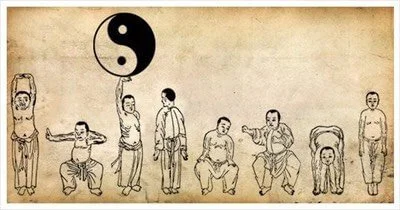
Qigong, Tai Chi, and Bagua I incorporate movement and energy-based practices from the Chinese healing arts when clinically relevant — particularly in work around embodiment, trauma, and sexuality. I'm a certified Medical Qigong Therapist and instructor of Earth Qigong for Women, a practice specifically oriented toward women's sexual and reproductive health.
Martial arts, qigong and coaching
In addition to my therapy practice, I also have a martial arts and qigong program as well as a coaching program:

Licensed psychologist in New York. Telehealth also available in Vermont and Florida.